
Caleb Williams is doing something most athletes forget about. He is building a brand during his playing career while protecting it as it grows.
On March 16, 2026, Caleb Williams Inc. filed four trademark applications for “ICEMAN” and a silhouette of his passing motion, covering apparel, athletic gear, water bottles, and digital assets. Williams has had multiple high-pressure moments, including standout performances against the Rams, but one moment against Green Bay stands out. On a fourth-and-8 late in the game, he delivered a touchdown in one of the most memorable plays of the season. That play reinforced a nickname and a feeling that people now associate with him.
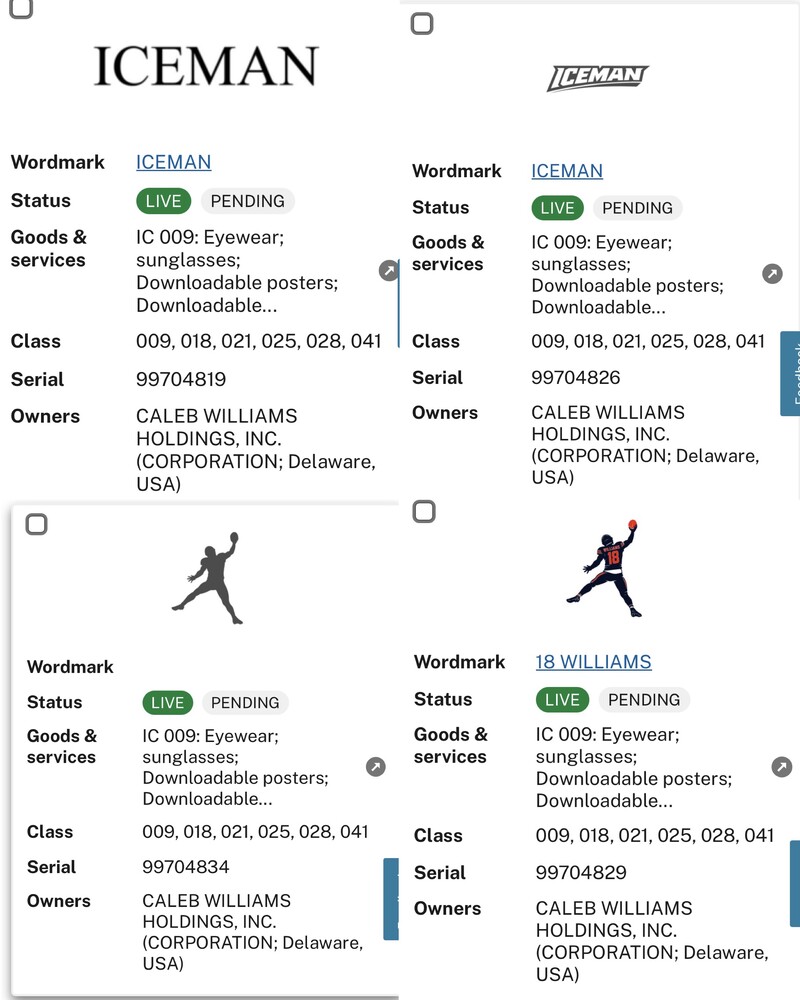
Instead of letting that moment fade, he turned it into something he could own. This is not his first time filing trademarks either. There is a clear pattern of protecting different parts of his identity as his career evolves, which is exactly how a brand is built over time.
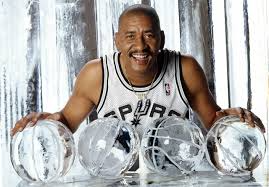
That decision also led to a response from George Gervin, one of the greatest scorers in NBA history and the original “Iceman.” Gervin filed his own trademark application for “Iceman” just four days after Caleb Williams. While the nickname has been associated with him for decades, his situation highlights two major mistakes that athletes and entrepreneurs, continue to make.
Mistake #1: Waiting Too Long
Gervin was a superstar for the San Antonio Spurs during the 70’s and 80’s. This means he had about forty to fifty years to file for trademark protection while he was playing or immediately after his career. At that point, he could have built businesses, licensed the name, and controlled how it was used across different products and services.
Instead, that opportunity sat for decades.
Trademark rights are strongest when the public clearly connects a name to a specific source. Waiting too long makes it harder to claim ownership and limits the ability to fully capitalize on the value of that name.
Mistake #2: Not Using the Brand in Commerce
Trademark registrations are based on use in commerce, which means the brand must be used in connection with real goods or services. It is not enough for people to recognize a nickname or for it to exist on social media.
Use in commerce requires real activity in the marketplace. The name must be placed on products or services It also must function as a brand, meaning it identifies the source of those goods or services.
I see this all the time with my clients. Many believe that securing a domain name or locking in a social media handle is enough to file a trademark. Those are great first steps, but they do not create the necessary use in commerce. Trademark protection comes from actually using the name in connection with real goods or services in the marketplace, which is where most people fall short. George Gervin had one of the most recognizable nicknames in sports, but there was no structured business built around it. Without that kind of use in commerce, there is very little to protect from a trademark perspective.
This same mistake happens every day. Athletes, entrepreneurs, and content creators pick a name, secure a handle, and stop there. No product, service, or real use in the marketplace. That is not a true brand from a trademark standpoint.
Caleb Williams is doing the opposite. He is using memorable moments as the foundation of his brand and protecting them while his career is still evolving. More athletes and entrepreneurs need to take this seriously. Memorable moments are not just highlights that live on social media. They are opportunities to build something that lasts long after they are