
1. Using LinkedIn to Turn Athletics Into Internships & Jobs
For many Division III athletes, the most valuable Name, Image, & Likeness (NIL) opportunities do not come from brand deals at all. They come from turning athletics into professional leverage.
Most DIII athletes are not expecting professional careers. That naturally puts more emphasis on academics, internships, and long-term career goals. Rather than being a disadvantage, this mindset becomes an edge. Employers consistently say they value athletes because sports develop habits that translate directly to the workplace, such as:
- Discipline
- Time management
- Accountability
- Competitiveness
- Coachability
Companies like Goldman Sachs have publicly emphasized their desire to hire more former athletes for exactly these reasons. Consulting firms, finance companies, tech startups, and operations teams regularly recruit athletes because they trust the mindset sports create.
This is where LinkedIn becomes one of the most powerful NIL tools available for Division III athletes.
NIL is not limited to brand deals. For many athletes, it opens doors beyond the field or court. LinkedIn gives Division III athletes a way to connect their athletic experience with their academic and career interests, often leading to internships, jobs, and professional relationships that extend well beyond college.
Effective use of LinkedIn for athletes is simple and intentional:
- Sharing what it’s like to balance academics and athletics
- Reflecting on leadership lessons from sports
- Posting about internships, classes, or career interests
- Engaging with professionals in industries you want to enter
Ten minutes a day is often enough to make a difference. Consistently showing up on LinkedIn builds visibility over time, and that visibility compounds. What starts as simple engagement can turn into internship opportunities, job interviews, meaningful connections, and faster career growth. For Division III athletes, LinkedIn may not produce immediate results, but it often delivers far greater value over the long run.
2. Brands Don't Care What Division You Play In
One of the biggest myths in NIL is that large companies only work with Division I athletes.
They don’t.
From a brand’s perspective, division level is irrelevant. Brands evaluate athletes the same way they evaluate any creator they work with:
- Can you stay consistent with content?
- Can you get eyeballs on what you post?
- Can you communicate clearly and reliably?
If the answer is yes, you are treated like any other client.
Brands are not watching game film. They are reviewing content, engagement, storytelling, and execution.
This is exactly what Connor Printz proved.
Printz played Division III basketball at Claremont McKenna College, a school with no national exposure and no NIL infrastructure. In 2022, he wasn’t even trying to be a content creator. On a whim, he applied for a Snapchat opportunity through Opendorse, a platform that connects athletes from all divisions with brands.
He was accepted.
Instead of overthinking it, Printz focused on staying consistent. He documented daily life as a college athlete:
- Early workouts
- Practices
- Travel days
- Wins and losses
- Frustration and progress
His early videos were not polished. He openly admitted they were not good at first. But they were real, and he posted consistently.
That consistency is what got him noticed.
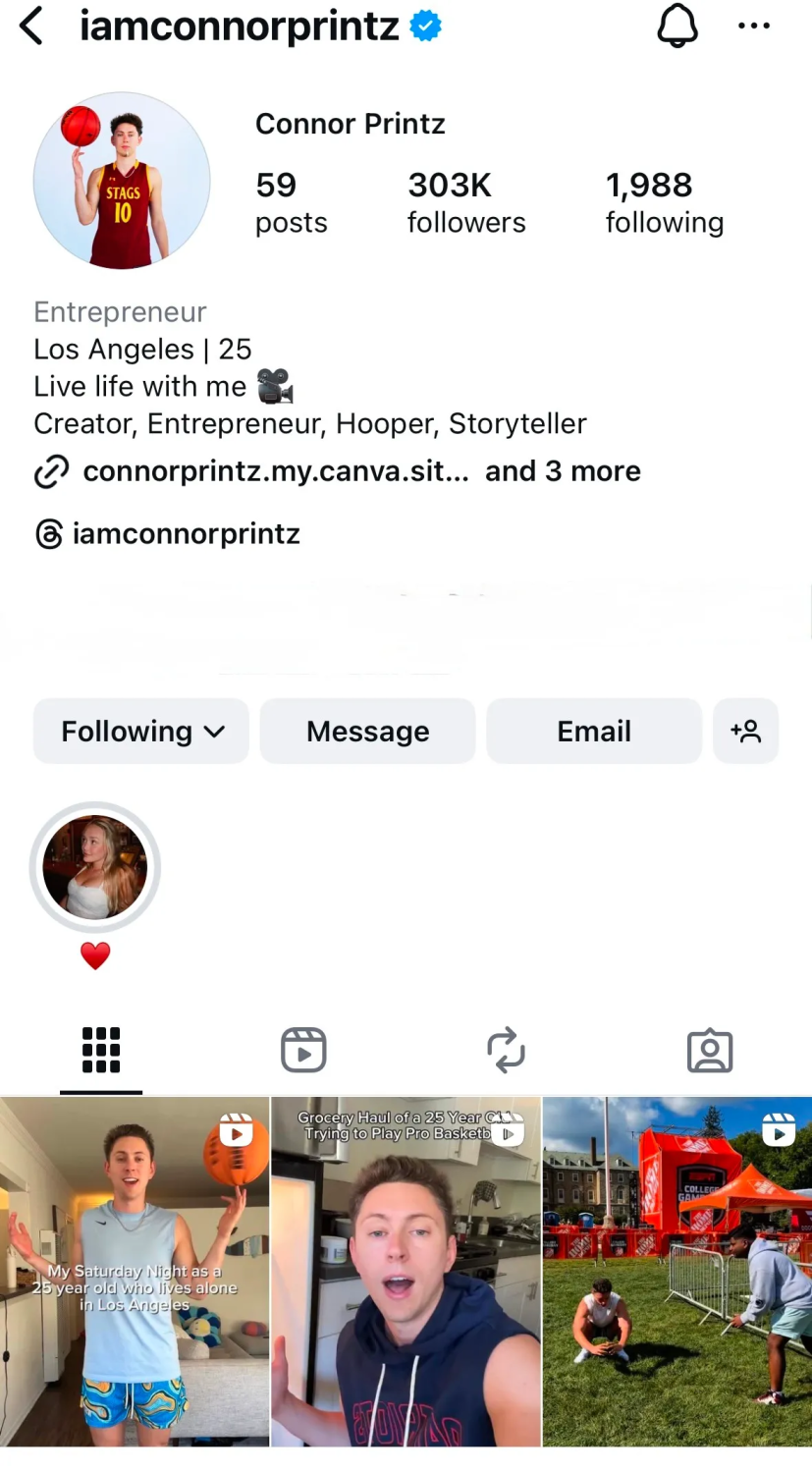
Before brands ever reached out, Printz pitched himself directly. Once companies saw that he could show up, deliver content, and hold attention, the division he played in stopped mattering.
That’s why brands like Reebok, Powerade, CVS, HeyDude, Clif Bar, Ralph Lauren, and NBC Sports worked with him.
For brands, Printz wasn’t a “Division III athlete.” He was a reliable creator.
This same principle applies even when the content is not built around volume or daily posting. A strong example is Laney Higgins, a Division III volleyball player who built her NIL through purpose-driven content.
Higgins launched a weekly Instagram Live series called “W4LKING AND T4LKING,” where she had honest, unscripted conversations with other female student-athletes about burnout, balance, and life in sports. She did not chase viral trends or highlights. She stayed consistent with one idea.

That consistency led to national attention, including becoming the first Division III athlete to launch an NIL merchandise line with NIL.Store and later securing a national NIL partnership with Lululemon. She was also selected for Meta’s NIL Empower 2.0 program as the only Division III athlete in the cohort.
Her story reinforces the same point as Printz’s: brands do not care what division you play in. If you consistently create content that resonates and builds trust, companies treat you like any other creator they work with.
The takeaway for Division III athletes is simple. There are many ways to use content education, storytelling, humor, and daily routines, but consistency is what gets you noticed.
3. Work With Local Businesses
This is where Division III athletes often have their strongest advantage. Unlike athletes who may only be on campus for games or practices, DIII athletes are deeply woven into their local communities. They live nearby, train at local gyms, coach youth teams, attend community events, and interact daily with families and small businesses in the area. Over time, they become familiar faces, not just athletes wearing a jersey on game day.
Local businesses notice that connection. For many small and mid-sized businesses, NIL is not about national reach or viral moments. It’s about trust and visibility within the community they serve. Partnering with a local Division III athlete allows these businesses to support someone they see as “one of their own” while also gaining authentic marketing from a person customers already recognize and respect.
Since there is already trust, local NIL partnerships are often easier to secure and far more sustainable. The athlete gains income, experience, and exposure, while the business gains genuine word-of-mouth marketing that feels natural rather than forced. In many cases, that trust carries more weight than a post from a distant influencer with no real connection to the area.
These relationships also tend to last. What starts as a simple NIL partnership during college often turns into long-term opportunities after sports, including continued brand collaborations, part-time work, or even full-time employment. For Division III athletes, working with local businesses isn’t just about short-term income, it’s about building relationships that can create value long after their playing days are over.
4. Camps, Clinics, and Offseason Training
Division III athletes have a tremendous amount of skill and knowledge, and there is constant demand for it. Youth athletes and parents are actively looking for:
- Skill clinics
- Private lessons
- Small-group training
- Holiday and summer camps
Camps, clinics, and offseason training are often the easiest and most reliable ways for Division III athletes to make money.
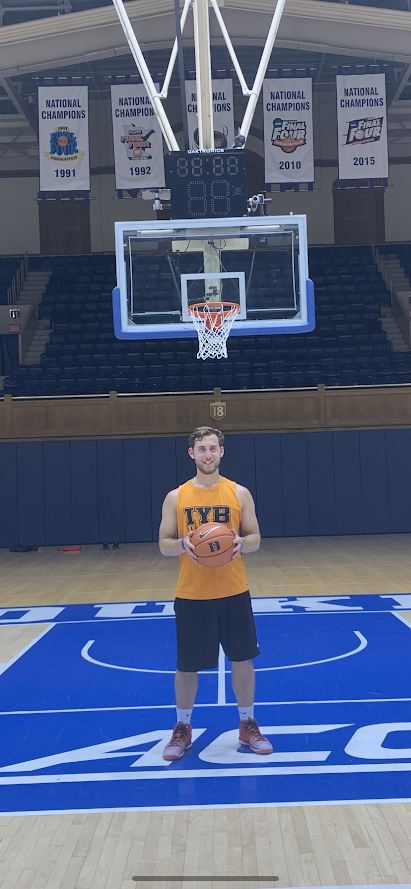
Parents trust college athletes. Younger players look up to them. Division III athletes have the same amount of knowledge as any other collegiate athlete.
A few clinics or training sessions per month can generate thousands of dollars per season with relatively little overhead.
Beyond income, coaching and training:
- Build leadership and communication skills
- Strengthen résumés
- Open doors in education, training, and athletics
For many Division III athletes, this work can also turn into a long-term coaching career. Running clinics, training youth athletes, and coaching in the offseason builds experience that translates directly into future roles at the high school, club, collegiate, or private training level.
What starts as offseason NIL income can become a full-time career path after graduation.