
Starting an apparel brand is exciting in a way that feels bigger than just clothing. You come up with a name that means something to you, design something you genuinely like, and then see it come to life on shirts, hoodies, or hats. It feels like you are building something real right away. Something people can wear, support, and connect with. From the outside, it looks like a brand is already taking shape.
From a legal standpoint, there is a gap that most people do not see at first. There is a real difference between putting a design on clothing and actually creating something that can be protected as a brand.
1. Ornamental Use: The Mistake Most Apparel Brands Make
When you place a phrase or design across the front of a shirt, it is usually considered ornamental use. This means the design is there to make the product look appealing, not to tell consumers which brand it comes from.
A common example is a shirt with a large square graphic or design printed on the front. It may look clean, creative, and marketable, but legally, it is just decoration. It does not function as a brand name, so it cannot be protected as a trademark.
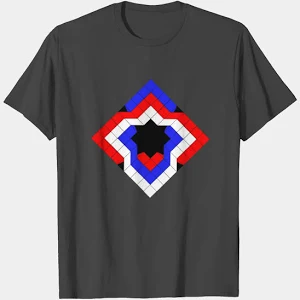
This is one of the most common reasons trademark applications get rejected. The United States Patent and Trademark Office (USPTO) is not evaluating how creative or visually appealing the design is. The focus is on whether the mark tells the customer who the product comes from. If it does not identify the source, it is considered ornamental.
A clearer way to think about this is how the law treats designs versus brands. Designs that appear on clothing in an ornamental way are considered copyright, not trademark. Copyright protects the creative expression itself, such as artwork, illustrations, or graphics printed on a shirt. That protection exists because of the creativity in the design, not because it represents a brand.
Trademarks, on the other hand, are meant to identify a single source. A trademark tells consumers, “this product comes from this company.” If a design is constantly changing from shirt to shirt, or only appears as a large front graphic, consumers are not going to view it as a brand. They are going to view it as decoration.
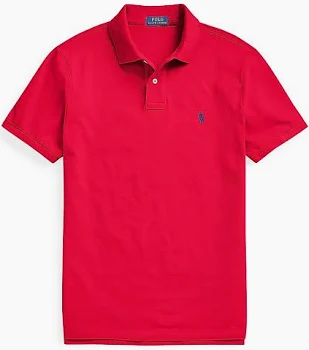
Having a logo or name placed on the breast pocket area of a shirt is one of the most recognized ways to indicate a brand. Ralph Lauren Polo is a perfect example of this, consistently using its small horse logo in that exact location so consumers immediately associate the product with the brand.
2. Which Specimens To Use
If you want to protect your apparel brand, one of the most important parts of the trademark process is something many people overlook, the specimen.
A specimen is simply proof of how you are using your trademark in the real world. It shows the USPTO that your name or logo is not just an idea but is actually being used in commerce to identify your brand. This is critical because trademarks are not granted based on creativity or potential. They are granted based on how consumers encounter your brand in the marketplace.
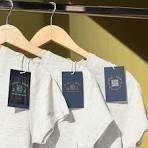
If you want your specimen to be approved, you need to place your mark where consumers expect to see the brand. This includes neck labels, hang tags, and packaging. These are the areas people naturally look to identify who made the product. When your mark appears in these locations, it clearly signals that it is functioning as a brand.
Most apparel brands do not get rejected because the name is bad. They get rejected because the use of the name does not meet trademark standards. The specimen is your chance to show that your brand is real, consistent, and recognizable. If your mark looks like decoration, it will be treated like decoration. If it looks like a brand, it can be protected like one.
3. The Classes You May Need for Full Protection
When filing a trademark for an apparel brand, most people focus only on the clothing itself. A stronger approach is to protect both the product and the business behind it.
You will typically want to file in:
- Class 25 for clothing such as shirts, hoodies, and hats
- Class 35 for your online store and retail services
This combination ensures that both your brand and your storefront are covered as your business grows.